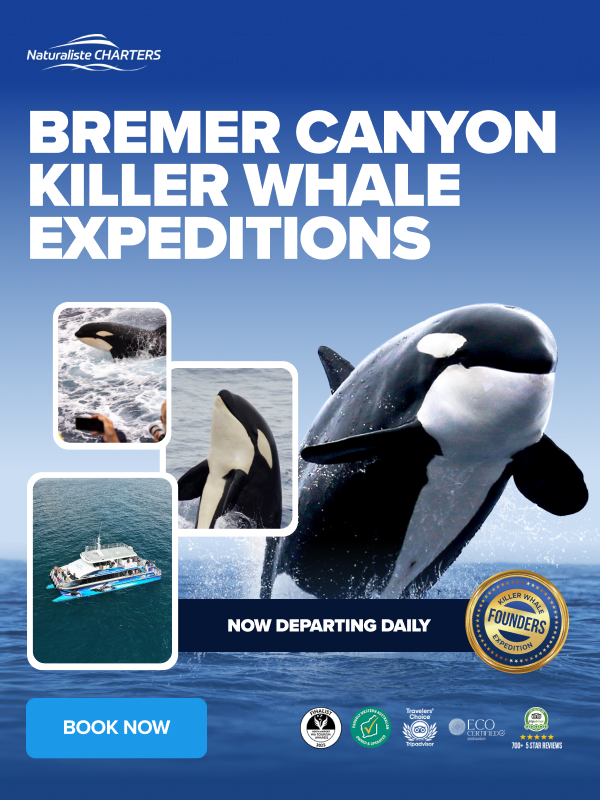
A scientific overview of offshore killer whale research in Western Australia
A science-led offshore wildlife expedition to a deep-sea canyon off Bremer Bay, designed to observe orca and other oceanic species in their natural habitat.
The Bremer Canyon Killer Whale Expedition is an offshore wildlife expedition that travels from Bremer Bay to the Bremer Canyon, a series of deep underwater canyons and slopes in the Bremer Sub-Basin of the Southern Ocean. The expedition focuses on observing killer whales, also known as orca, in open-ocean conditions. It also documents other marine wildlife that uses the canyon system for feeding and migration.
This experience sits at the intersection of marine science and wildlife adventure touring. The science-based approach supports careful observation, species logging and responsible viewing practices. At the same time, the offshore setting makes it an adventure-style day on the Southern Ocean.
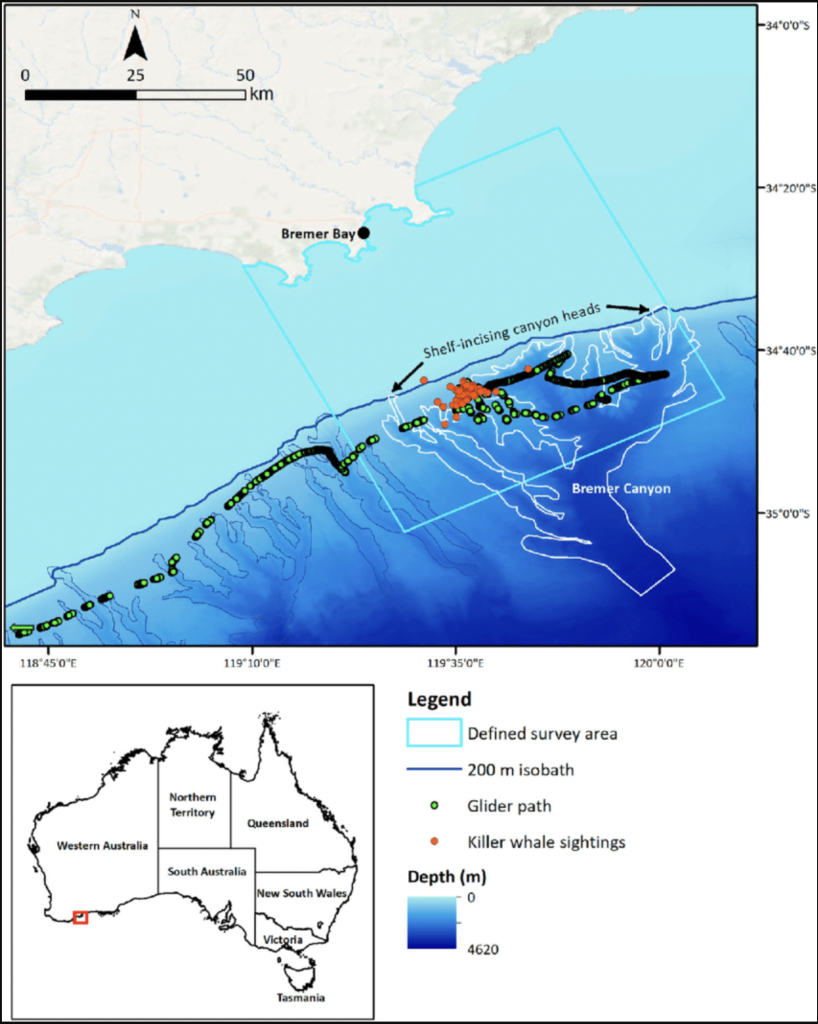
Where is the Bremer Canyon?
The Bremer Canyon lies offshore from Bremer Bay on Western Australia’s south coast. It is beyond the continental shelf, where the sea floor drops into deeper water. This change in depth influences currents and productivity. As a result, marine life can concentrate along canyon edges and nearby waters.
The expedition operates in exposed ocean conditions. That matters because offshore wildlife behaviour and visibility depend on sea state, wind and surface conditions. Therefore, each day on the canyon can look different, even within the same season.
Image supplied by ResearchGate
Document assessing potential environmental influences on killer whale ( Orcinus orca ) distribution patterns in the Bremer Canyon, south-west Australia
What happens on an expedition day?
An expedition day follows an offshore operating pattern rather than a coastal cruise pattern.
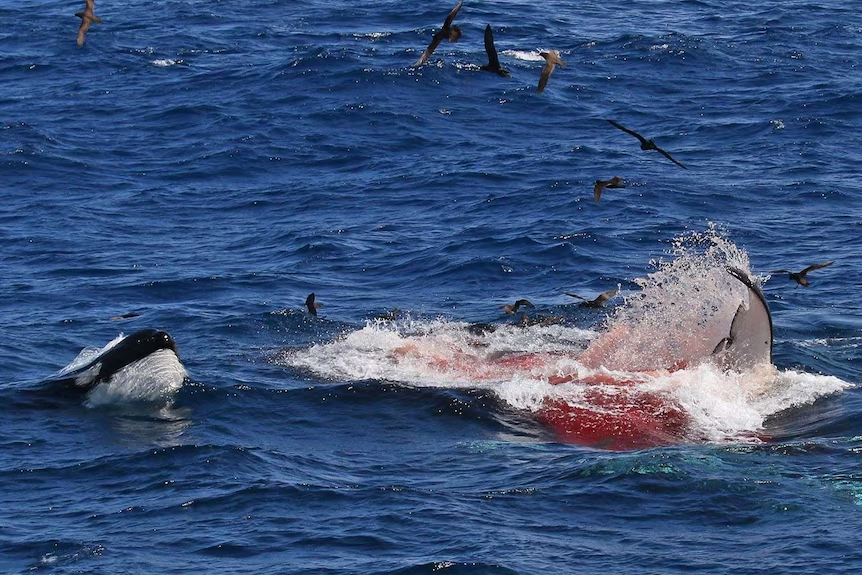
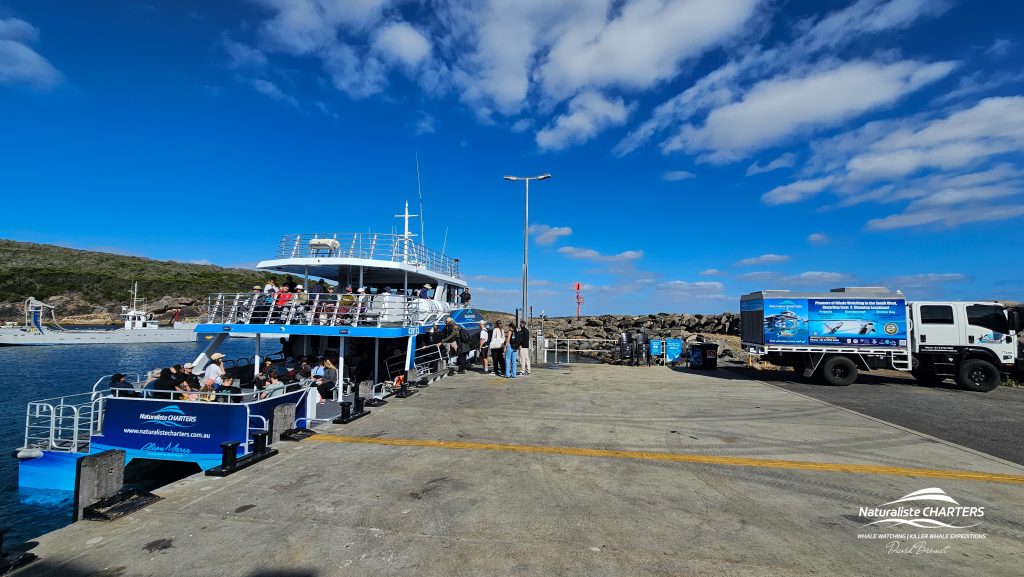
First, the Naturaliste Charters vessel departs Bremer Bay and transits across the continental shelf. During this travel time, observers scan for surface activity. They look for blows, dorsal fins, flocks of seabirds and baitfish signals. Next, the expedition reaches canyon waters, where searching becomes more targeted. Crew and guides track cues such as bird aggregations, feeding slicks and directional movement of animals.
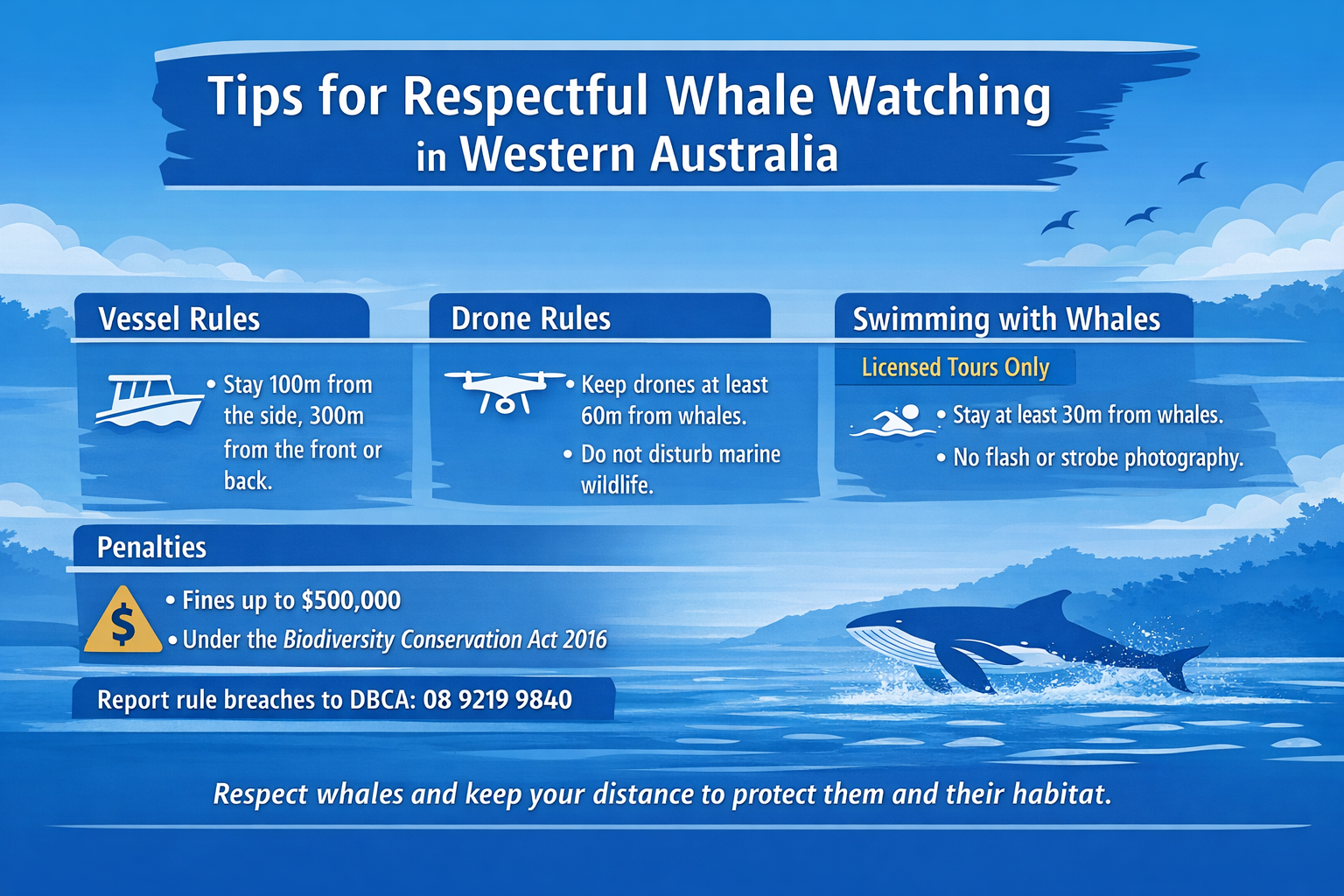
When orca are located, the viewing approach prioritises stability, distance management and predictable vessel movement. This supports animal welfare and improves observation quality. In addition, it reduces the chance of disrupting natural behaviour.
Why orca are associated with the Bremer Canyon
Orca are wide-ranging apex predators. They use different habitats at different times, depending on prey, ocean conditions and social behaviour. In canyon systems, prey can become more available because of productive food webs and concentrated feeding zones. That can draw in large predators, including orca.
Importantly, sightings occur in a wild, open system. Orca do not follow timetables. Therefore, a neutral description of the expedition always acknowledges uncertainty. The goal is observation, documentation and learning, not prediction.
The vessel used for the expedition
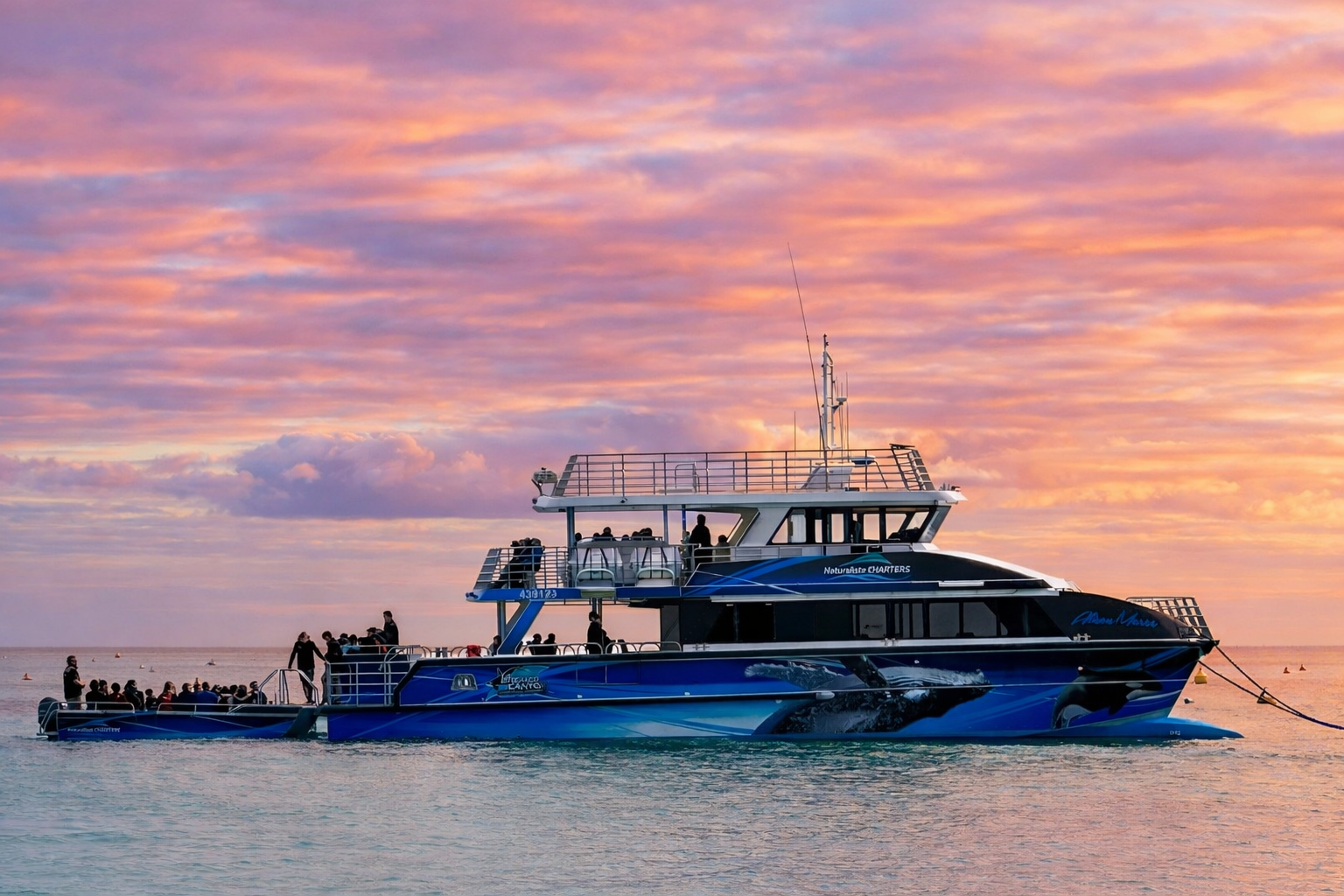
Naturaliste Charters operates one purpose-built offshore vessel for this work: the 24-metre catamaran, Alison Maree.
A catamaran design supports offshore stability through its twin-hull platform. In practical terms, that can improve passenger comfort and provide a wide viewing deck area. It also creates usable working space for crew, guides and observers during active wildlife periods.
A science-led approach and a wildlife adventure focus
Naturaliste Charters operates as a science-based operator and a wildlife adventure operator at the same time. These roles support each other.
The science-based approach shapes how wildlife encounters are handled. It encourages careful observation, consistent species identification and clear communication. It also supports accurate interpretation of behaviour in a way that stays grounded in evidence.
The wildlife adventure focus reflects the reality of the environment. The Southern Ocean is dynamic and exposed. The experience includes long-range searching, open-water travel and changing conditions. For many passengers, that is part of the meaning of an offshore expedition.
Because these two approaches work together, the expedition can deliver structured interpretation without turning the day into a sales narrative. It can also maintain an adventure feel without losing scientific discipline.

Other wildlife often recorded in canyon waters
Although orca are the headline species, canyon days often include other marine wildlife.
Depending on conditions and timing, observers may record toothed whales, baleen whales and dolphins. They may also see large seabird activity associated with feeding events. In addition, oceanic species can appear briefly and then disappear, which is typical of pelagic systems.
This variability matters for accurate expectations. The expedition searches for orca. However, it also documents what the canyon system presents on the day.
Pelagic bird watching in the Bremer Canyon
Pelagic birding is a major feature of the Bremer Canyon environment. Seabirds often provide the first visual cue of feeding activity. They also gather around surface signs that indicate prey, such as bait balls or fish scraps.
Bird sightings can include regular offshore species and occasional rare records. For example, Naturaliste Charters birding trips in early December 2025 reported Barau’s Petrel, a species associated with Réunion Island, plus multiple Gould’s Petrels, which remain uncommon in Western Australian waters. Those same trips also recorded unseasonal Soft-plumaged Petrels, close views of a Wandering Albatross and an unexpected Black-bellied Storm-petrel in December conditions.
Rare sightings do not occur every day. However, the Bremer Canyon can produce records that matter to birders because it sits on an offshore corridor used by wide-ranging pelagic species. Therefore, the expedition can be relevant to both marine wildlife observers and dedicated seabird watchers.
Pelagic species list
Below is a short, practical species list based on recent Bremer Canyon pelagic birding observations recorded on charter.
PELAGIC BIRDING EXPEDITIONS December 6-9 2025
Petrels and shearwaters
-
Barau’s Petrel
-
Gould’s Petrel
-
Soft-plumaged Petrel
-
White-chinned Petrel
-
Grey-faced Petrel
-
Flesh-footed Shearwater
Storm-petrels
-
Wilson’s Storm-petrel
-
White-faced Storm-petrel
-
Black-bellied Storm-petrel
Albatrosses and skuas
-
Wandering Albatross
-
Indian Yellow-nosed Albatross
-
Shy Albatross
-
Brown Skua
Jaegers
-
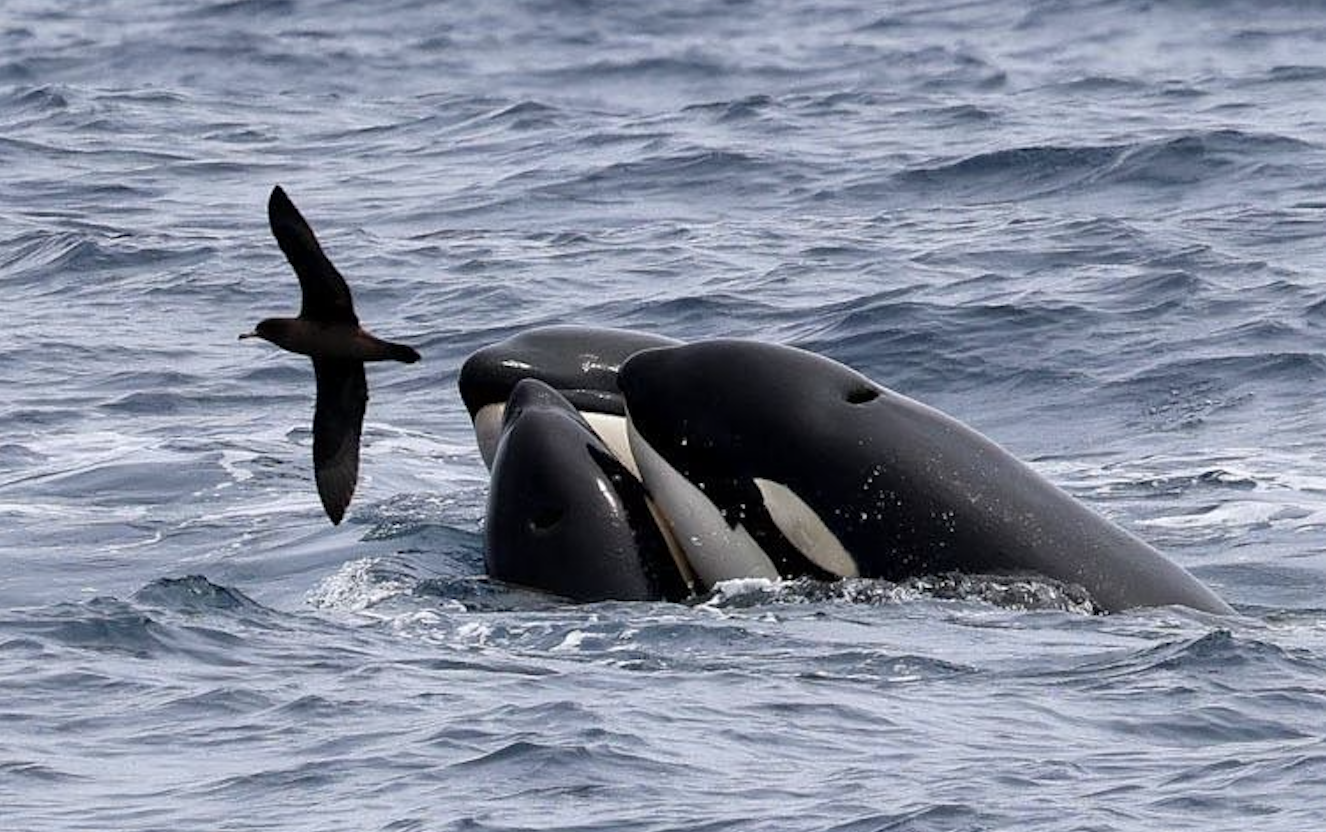
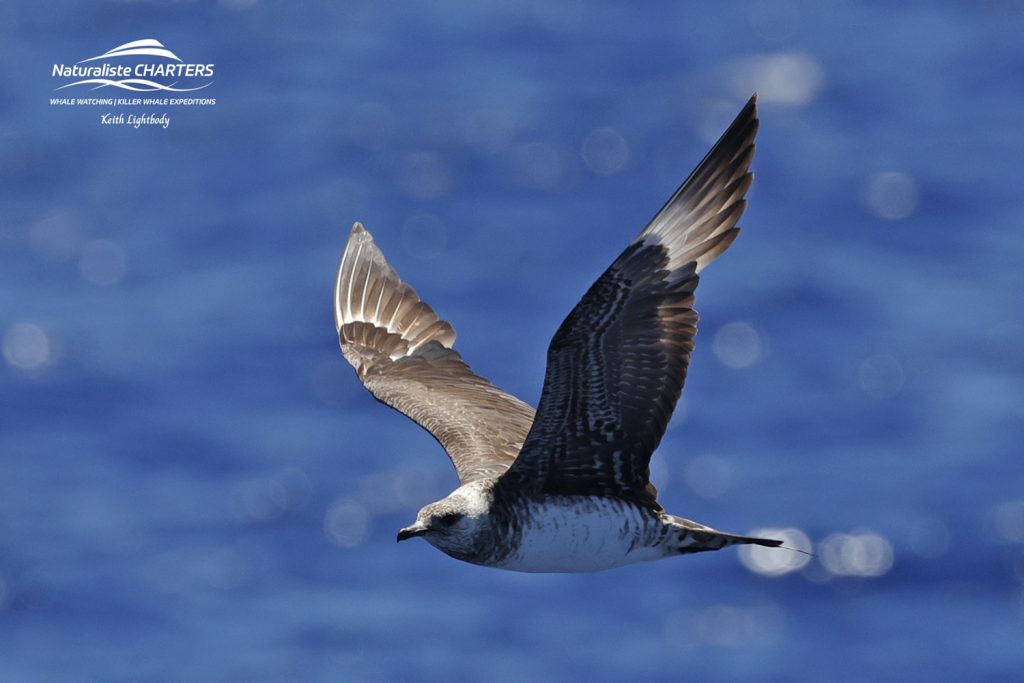
Arctic Jaeger (pictured)
Environmental conditions of the Southern Ocean
The Bremer Canyon lies within the Southern Ocean, a region defined by cold waters, strong currents and high nutrient availability. Sea conditions are variable and reflect the dynamic nature of offshore environments.
These environmental factors support complex food webs and attract apex predators such as killer whales.
When the Bremer Canyon Killer Whale Expedition operates
The expedition operates seasonally, generally from December through April. This period aligns with peak offshore productivity and consistent killer whale presence.
Outside the season, killer whales disperse across wider oceanic ranges and are less predictably encountered.
How this expedition differs from coastal whale watching
The Bremer Canyon Killer Whale Expedition differs fundamentally from coastal whale watching experiences. Key differences include offshore distance, deep-sea ecology, focus on apex predators, extended time at sea and a research-driven approach. The expedition supports observation, documentation and education.
Why the Bremer Canyon is globally significant
The Bremer Canyon is internationally recognised for its role in advancing understanding of offshore killer whale ecology. Few locations globally offer repeated, consistent observations of oceanic orca engaged in natural feeding behaviour.
Ongoing research continues to position the Bremer Canyon as a critical Southern Hemisphere site for the study of killer whales, pelagic birdlife and deep-sea ecosystems.
More information about Killer Whale / Orca research: