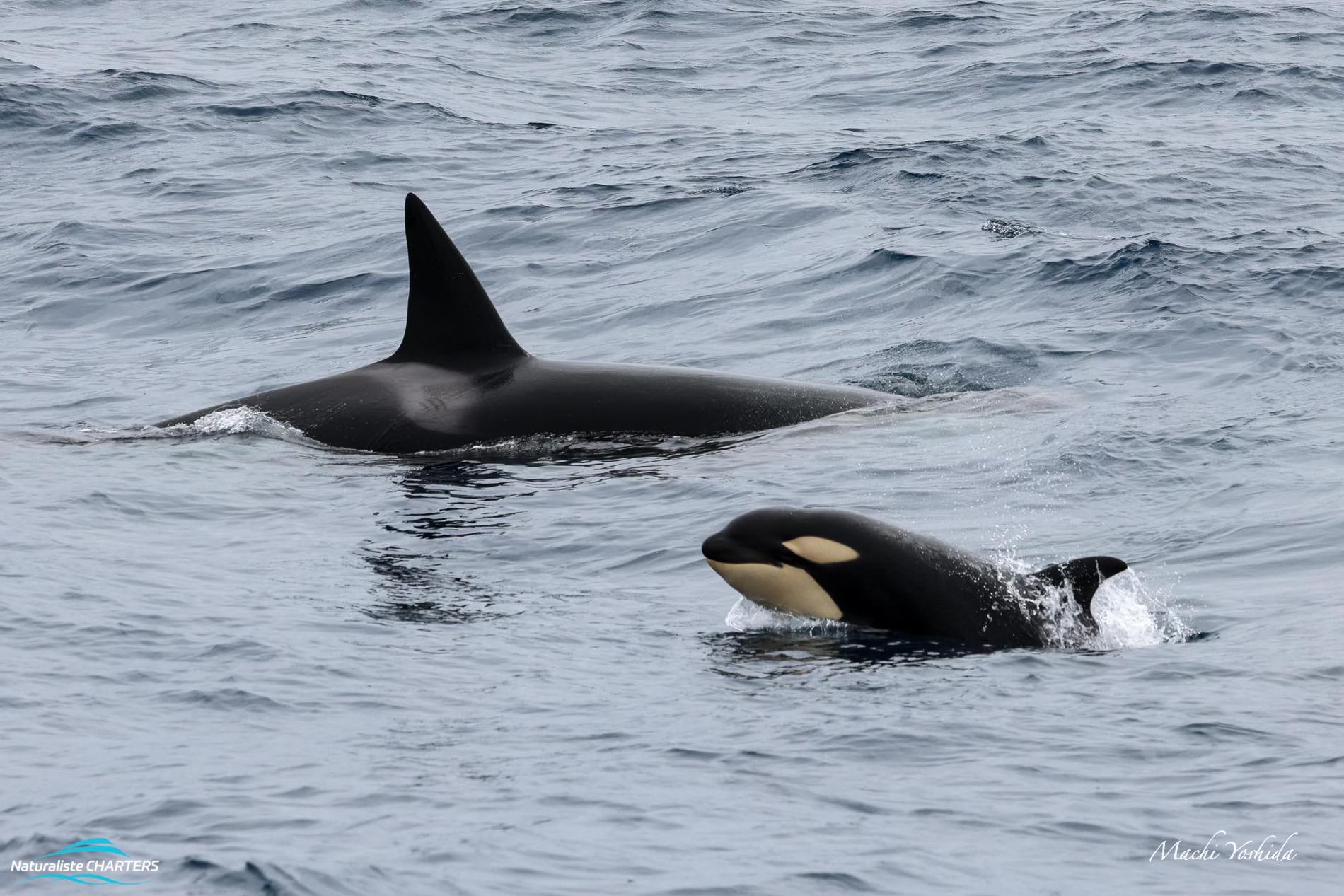
The 2026 Bremer Bay orca season has delivered an extraordinary early run of encounters in the Bremer Canyon, cementing this remote region of Western Australia as one of the world’s most reliable destinations to observe killer whales (orca) in their natural habitat. From early January through February, daily expeditions revealed intense hunting behaviour, repeated pod reunions, rare family associations, and multiple confirmed predation events — all signalling a highly productive season.
Why the Bremer Bay Orca Season Is So Reliable
The Bremer Canyon’s deep submarine valleys and seasonal upwelling create one of the Southern Ocean’s richest marine ecosystems. These nutrient-dense waters fuel a thriving food web — from phytoplankton to squid, fish, and deep-diving marine mammals — drawing orca back year after year. Early in the 2026 season, large bird swirls, oil slicks, and prolonged orca activity consistently indicated successful feeding, reaffirming the canyon as a key hunting ground.
Pod Families Sighted During the 2026 Season
More than a dozen orca pod families have already been recorded in the Bremer Canyon, with several appearing across multiple days.
Split Tip’s pod has dominated sightings, recorded on nine separate days. This large, well-known family — including Wonks, Adino, Basil, Kira, Shadow, Cheddar, and multiple calves — has been central to some of the season’s most dramatic moments. Observers have witnessed multiple confirmed hunts, including beaked whale predation, followed by extensive prey sharing and high-energy social behaviour at the surface.
Alki’s pod has featured prominently on six days, frequently interacting with Split Tip’s group. Individual orca such as Alki, Slater, Nani, Dalaxy, Chorizo, and Maui were observed during feeding events, social surging, and calmer post-feed travel. Several sightings revealed visible chunks of prey, blood in the water, and scavenging seabirds — clear indicators of successful predation.
Razor’s pod appeared on four occasions, offering observers highlights of playful surface behaviour, especially after feeding. Razor, Blade, and young Stanley provided invaluable insight into calf development and social learning within family units.
Digby’s group and the closely associated Fanscar–Nibbles group were sighted three to four times each. Nibbles repeatedly carried large pieces of prey, while Fanscar’s family engaged in several mammal predation events early in the season.
Rare and Notable Orca Sightings
Lucky’s group appeared twice, notable for containing several mature males — an uncommon pod structure — alongside two newly confirmed calves. Additional rare individuals, including Kraken, expanded the season’s growing catalogue of orca within the region.
One of the most remarkable highlights of the 2026 season was the return of Cookie’s family, sighted for the first time this year. Even more extraordinary, they associated with the rarely seen Sara’s group, last recorded in the Bremer Canyon in 2024 and before that in 2019.
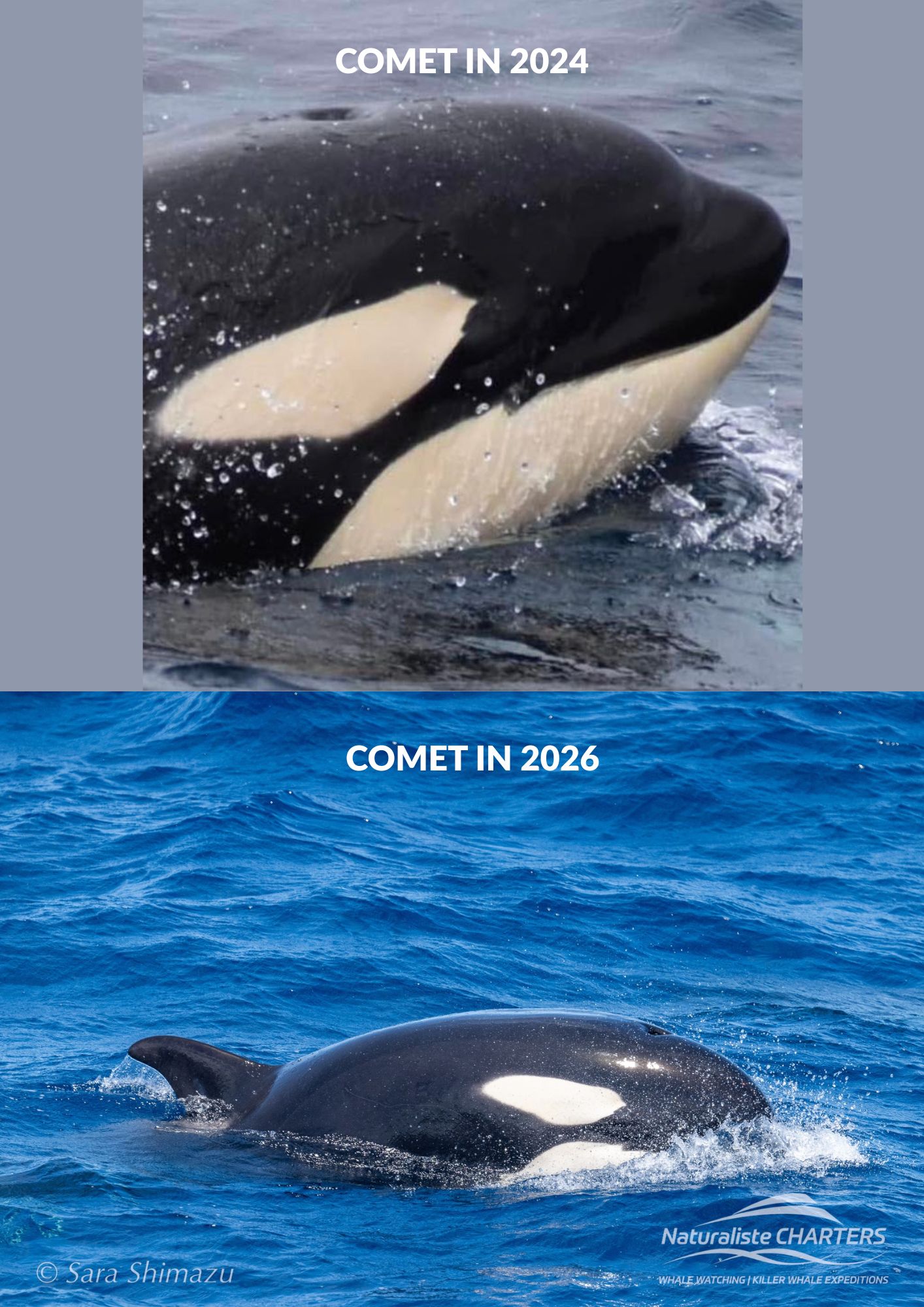
This reunion included Halley and her calf Comet, now over a year old, offering a rare chance to study long-term family connections across multiple seasons.
Predation and Feeding Highlights in the Bremer Canyon
Observers confirmed at least five predation events during the 2026 season, with several additional hunts strongly indicated by oil slicks, bird activity, and post-hunt prey sharing. Key observations include:
Confirmed beaked whale predation
Multiple prey-sharing events involving calves and juveniles
Sustained scavenging by albatrosses, petrels, and shearwaters
Beaked whales remain the most commonly targeted prey so far, although squid and smaller fish have also been recorded. These feeding events emphasise the orca’s role as a keystone predator, supporting the Southern Ocean ecosystem by redistributing nutrients across the marine environment.
A Season Defined by Activity and Connection
From high-energy, multi-pod feeding events to repeated sightings of familiar families and newly confirmed calves, the 2026 Bremer Bay orca season has highlighted the Bremer Canyon as a reliable hub for hunting, social interaction, and inter-generational learning among orca.
Observers have noted that even quieter moments — resting pods, social bonding, and calf development — offer insight into the orca’s intricate social structures. The canyon is not just a hunting ground; it is a dynamic social landscape where family ties, survival strategies, and learning intersect.
With weeks still to come, early activity suggests 2026 will remain an unforgettable year for Bremer Bay orca encounters and killer whale watching, providing rare insight into the lives of one of the ocean’s most intelligent and powerful predators.
Bremer Canyon Killer Whale Expeditions
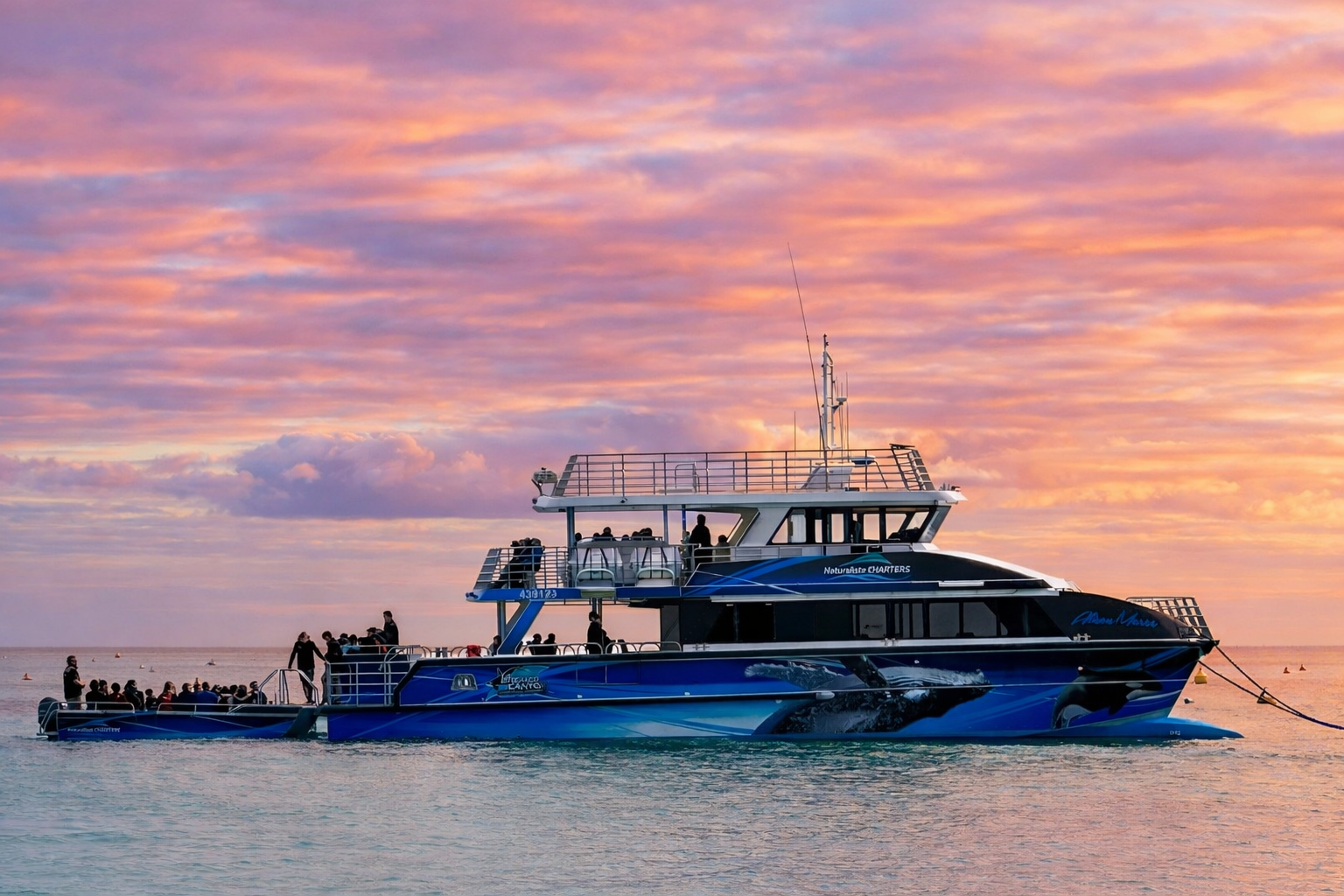
Naturaliste Charters operates dedicated Bremer Canyon Killer Whale Expeditions during the peak orca season. Departing from Bremer Bay between December and April, these full-day offshore trips focus on observing killer whales (orca) in their natural environment, alongside deep-ocean species such as sperm whales, pilot whales, beaked whales, and pelagic seabirds.
Experienced marine scientists and crew guide each expedition, allowing guests to witness rare orca hunting behaviour, social interactions, and multi-pod encounters in one of the Southern Ocean’s most productive marine ecosystems.