Wild Coastlines, Big Horizons and
Unforgettable Orca Encounters
Bremer Bay is one of Western Australia’s most rewarding coastal stops for road trippers, caravanners and campers. Wide open roads lead to a small, peaceful town surrounded by pristine turquoise beaches, rolling dunes and endless stretches of Southern Ocean. Road travellers often describe the region as one of WA’s best-kept secrets, with quiet campsites, friendly locals and a coastline filled with raw beauty.
Exploring the Bremer Bay region
The Bremer Bay region is rich in wildlife, scenery and seasonal natural events. The coastline and inland reserves support kangaroos, emus, lizards and a wide range of birdlife, including eagles, honeyeaters, wrens and coastal seabirds. Seasonal wildflowers transform the landscape from late winter into spring, with colourful displays across the dunes and heathlands. During winter, visitors can watch southern right whales from several vantage points within Fitzgerald River National Park. These gentle giants often rest close to the shore. In summer, the focus shifts offshore as killer whale expeditions begin in the Bremer Canyon. The region offers something remarkable in every season, making it a rewarding destination for road trippers and caravanners exploring the south coast.
Fitzgerald River National Park
Just outside town lies Fitzgerald River National Park, one of Australia’s most significant conservation areas. It is known for its wildflowers, rugged cliffs and rare wildlife. More than 60 plant species grow here that appear nowhere else on Earth. The park offers walking trails, birdwatching, 4WD tracks and lookouts with sweeping ocean views. Many road trippers spend extra days exploring this vast landscape before continuing their journey or heading out on the water.
Bremer Bay beaches and activities
Bremer Bay’s beaches are a highlight for travellers. Little Boat Harbour, Short Beach, Native Dog Beach, Blossoms Beach and John Dunn Rocks offer clear water and peaceful surroundings. Several beaches in the region include designated drive-on access for 4WD vehicles, allowing campers, surfers and photographers to reach quieter stretches of coastline.
The estuary suits stand up paddle boarding and kayaking. Its calm, sheltered water is ideal for beginners, families and anyone wanting a relaxed afternoon on the water. On windier days, the open beaches attract kitesurfers who take advantage of the steady southern breezes rolling in from the Southern Ocean.
A little deeper into the water, Bremer Bay also hosts a thriving population of leafy seadragons. These remarkable creatures live in sheltered seagrass meadows and kelp forests close to shore, especially around the dive trail at Little Boat Harbour and other shallow reef sites. Calm days bring excellent visibility, making it possible for snorkellers to spot these camouflaged animals only a few metres below the surface.
Travellers who prefer guidance can join a snorkel experience with Bremer Bay Dive and Sports, who visit several local sites well known for their clear water and marine life. Exploring these underwater areas adds another layer to the region’s outdoor appeal and suits both new and experienced snorkellers.
Visitors also enjoy swimming, snorkelling, paddling and beachcombing along the wide sandy stretches. Caravanners and campers often bring bikes, fishing gear and paddleboards to make the most of the relaxed outdoor lifestyle that defines the Bremer Bay coastline.
Accommodation for caravanners, campers and travellers
Bremer Bay offers a wide mix of accommodation. Caravanners can stay at one of two local caravan parks or at Tozer’s Bushcamp located out of Bremer Bay township, which provides powered and unpowered sites with access to showers, laundry and camp kitchens. A small number of free camping spots exist, though there are non within Bremer Bay itself. Travellers willing to stay outside the township can find free and cheap camping areas in the surrounding region.
Travellers who prefer fixed accommodation can choose from self-contained chalets, cottages, lodges and holiday homes. Some properties offer estuary or ocean views, giving guests a relaxed base close to beaches and walking areas.
For travellers comparing options or planning ahead, see the dedicated Bremer Bay accommodation blog, which provides an easy guide to stays across the region. You can explore all accommodation styles and find the best fit for your trip here: Bremer Bay Accommodation Options.
-
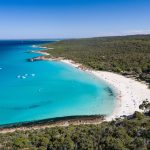

- Endless coastal vistas
-
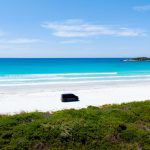
- Stunning bremer beaches
-
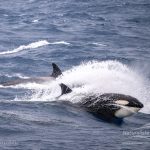
- Orca in Bremer Canyon
-
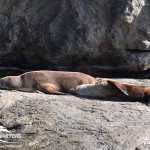
- Seals on Glasse Island
-
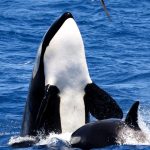
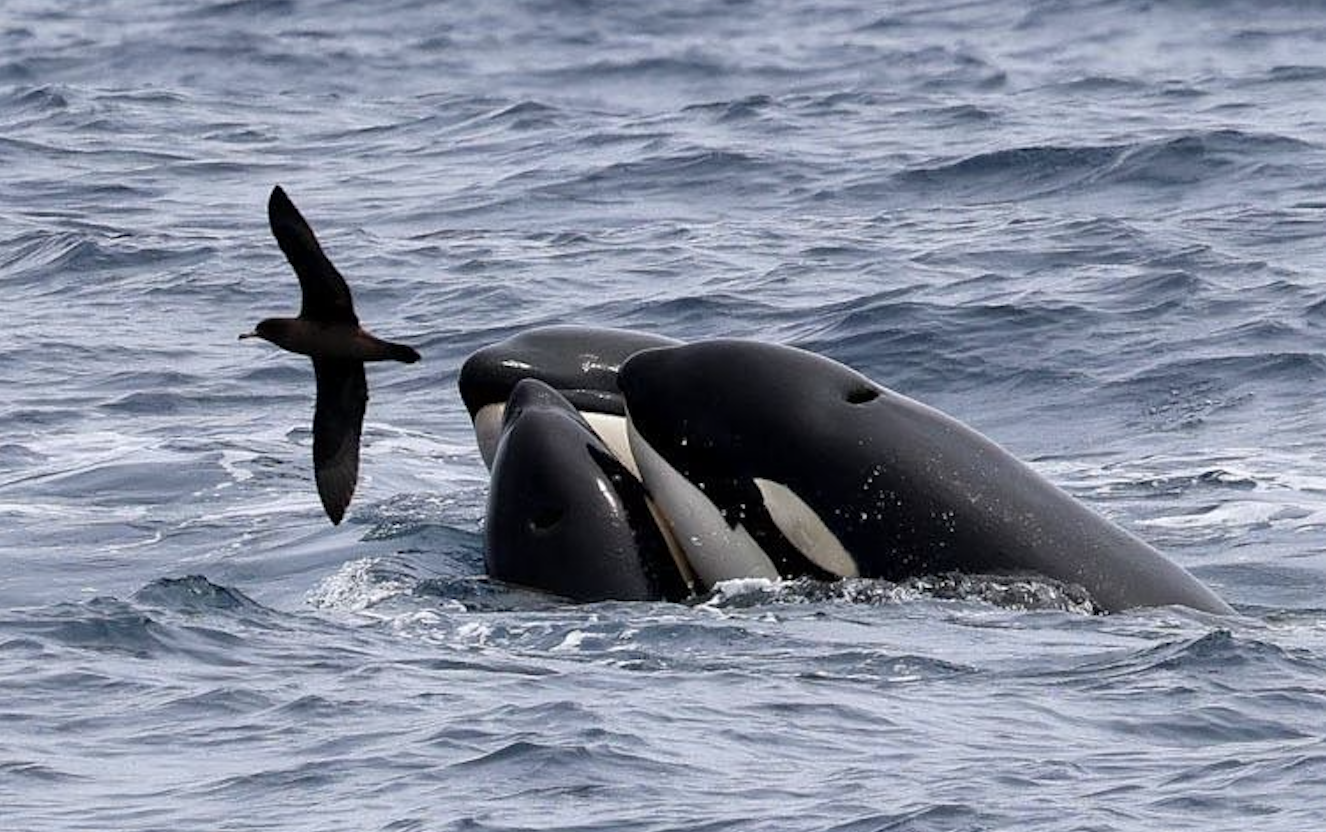
- Killer whale and calf
-
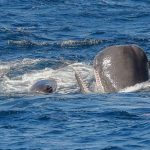
- A sperm whale predation
-
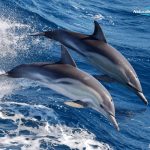
- Common Nose dolphin
-
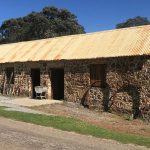
- Wellstead Homestead
-
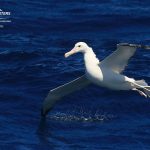
- Giant albatross
Bremer Bay killer whale expeditions
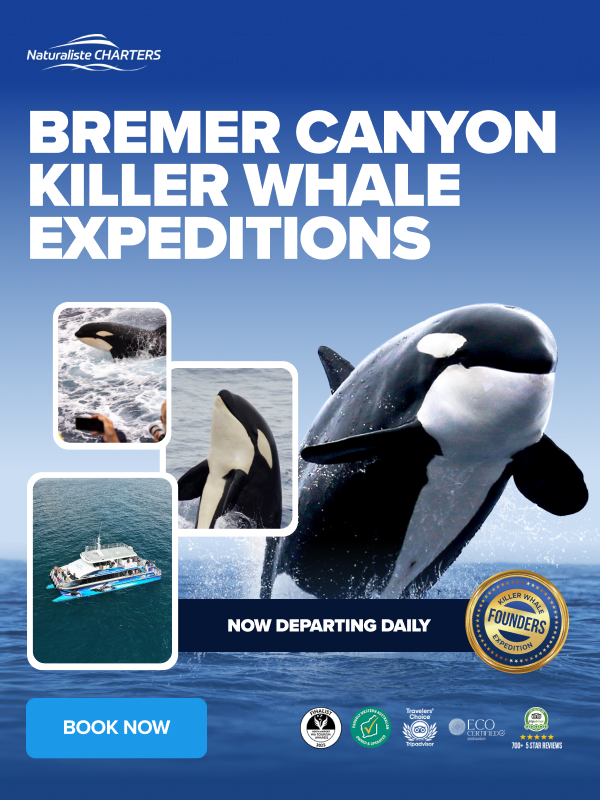
From December through April, Bremer Bay becomes the home of Naturaliste Charters’ full-day killer whale expeditions. These tours depart from the Bremer Bay Boat Harbour and travel offshore to the Bremer Canyon. This region is world-famous for its orca sightings. Travellers often plan their itinerary around joining one of these expeditions.
The full-day tour offers a chance to see orca, long-finned pilot whales, oceanic dolphins, sharks, sunfish and an impressive range of seabirds. Guests may also observe feeding behaviour and coordinated orca teamwork as they hunt for food. Each day is different. The open ocean environment changes constantly, and the wildlife moves with the conditions. This unpredictability is part of the experience.
What to expect on a full-day orca expedition
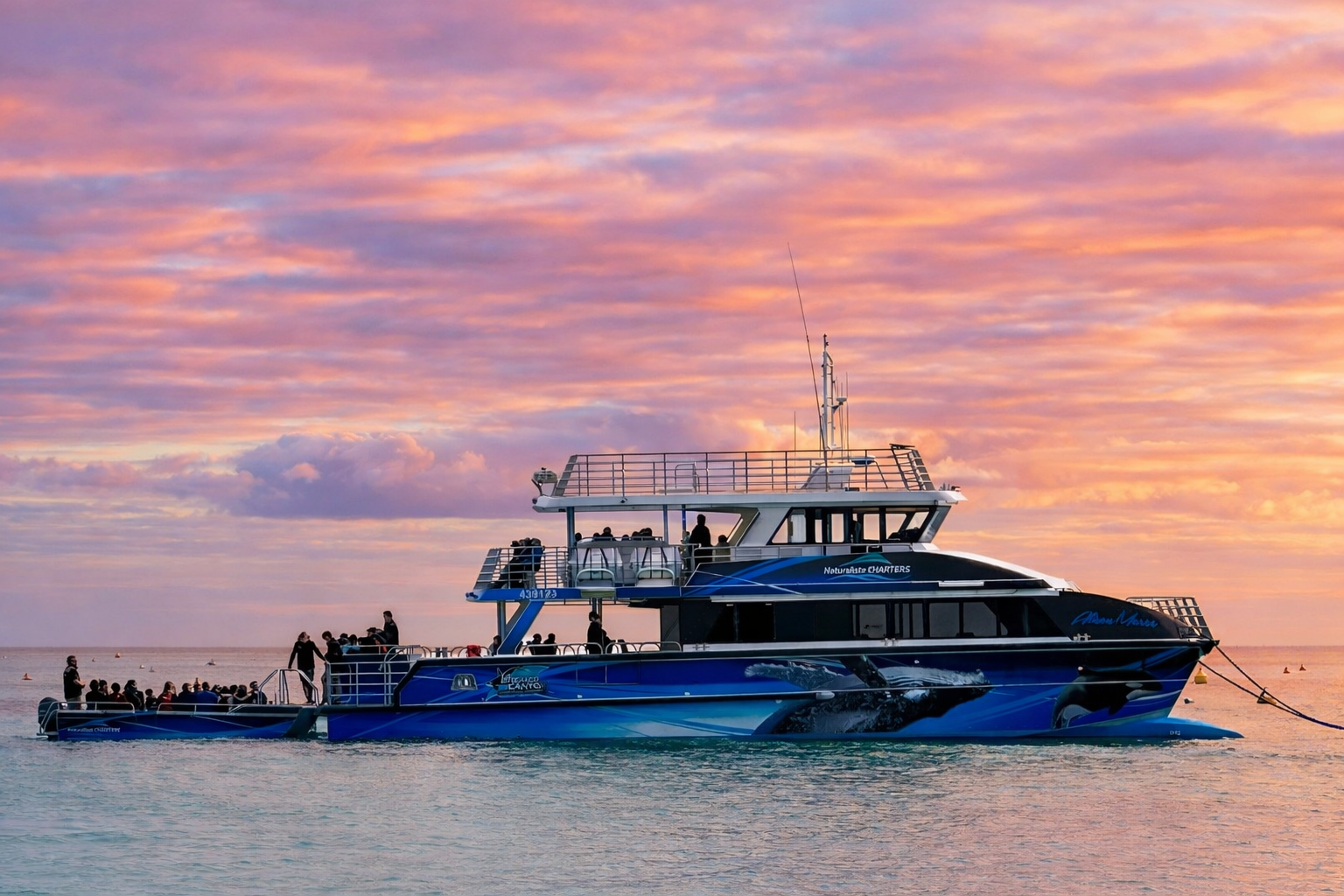
The 8 hour tour begins with a morning safety briefing onboard the Alison Maree, a purpose-built catamaran designed for the Southern Ocean. After leaving the Bremer Harbour, the vessel heads offshore toward the canyon. The crew and an onboard marine biologist explain the area, the wildlife and how they track movement on the day. Morning tea, lunch and afternoon tea are served, and filtered water is available. Guests bring a keep cup or bottle to help reduce plastic waste.
The vessel offers wide decks, strong railings, large undercover areas and excellent visibility from every level. Guests remain comfortable during the offshore journey and have space to watch wildlife safely. The crew photograph the day’s sightings, and when conditions allow, underwater images are also captured. These images are uploaded to the Bremer Canyon Killer Whale Expedition Facebook page. A selection is emailed to each passenger at the end of the day.
Understanding the Bremer Canyon
The Bremer Canyon is one of Australia’s most significant offshore ecosystems. It begins about 70 kilometres off the coast and drops suddenly into deep water. This steep underwater landscape draws cold, nutrient-rich water upward from the depths. When this water rises, it meets warmer surface layers and creates a powerful mixing zone that encourages plankton to grow which begins the food chain for an entire eco system.
This process sparks large blooms of plankton. Small fish, squid and other marine animals feed on the plankton-rich water. Larger predators then move in to hunt these species. This natural cycle repeats throughout the summer months and creates a reliable food source for many cetaceans.
Orca are drawn to the canyon because it supports healthy populations of squid, fish and marine mammals. Long-finned pilot whales, beaked whales and dolphins also gather in the region to feed on concentrated prey. Larger baleen whales, including blue whales, humpback whales and southern right whales, occasionally travel through the area. The entire system acts like a marine gathering point, where deep ocean nutrients drive intense surface activity.
This oceanographic process explains why the Bremer Canyon supports such a wide range of wildlife. It also helps clarify why the region has become one of the most consistent places in Australia to see orca in the wild.
Wildlife diversity in the Bremer Canyon
Across the season, a remarkable range of marine and bird life is encountered in the Bremer Canyon. killer whales, long-finned pilot whales, strap-toothed whales, bottlenose dolphins, common dolphins and beaked whales are all recorded throughout the summer months. Oceanic sharks, sunfish and large pelagic fish also appear in the offshore environment.
Several species of great whales have been sighted during the season. These include blue, humpback, sperm and southern right whales. Each species adds to the sense of scale and diversity in the canyon.
On special tours, sea lions and seals have been observed resting or travelling through the region. During early summer, penguins nest in the rocks of Glasse Island, and it is sometimes possible to see them in their breeding areas.
On some expeditions, guests may see predation events. These moments offer a powerful and natural insight into orca behaviour in the open ocean. They can be confronting for some guests, yet they remain an uncommon opportunity to understand how apex predators work as a coordinated group.
This variety of wildlife reflects the richness of the Bremer Canyon and shows why these expeditions remain some of Australia’s most impressive marine wildlife experiences.
Birdlife of the Bremer Canyon
The offshore birdlife is a highlight for many guests. The Bremer Canyon attracts a wide range of pelagic species drawn to the nutrient-rich water rising from the deep and to the scraps created during orca predation events. Wandering albatross, shy albatross and black-browed albatross often glide close to the vessel in the open swell. Giant petrels, flesh-footed shearwaters, fairy prions and storm petrels gather along current lines and feeding zones. Australasian gannets frequently appear, diving with speed into the moving water. Arctic jaegers and Caspian terns visit during certain parts of the season. This diversity makes the region one of Australia’s most rewarding places to watch seabirds.
Naturaliste Charters also runs four dedicated birding tours in mid December, giving twitchers a chance to focus on the offshore species that gather in the canyon at the beginning of summer.
Research, conservation and science
The Bremer Canyon is one of the most important marine environments in Australia. Naturaliste Charters works closely with scientists to support research into orca behaviour, long-term movement patterns and population structure. The photographs taken by the crew each day help document individuals and behaviours across the season. These images contribute to ongoing identification catalogues and scientific records. Daily observations recorded by the crew also help build valuable datasets. Responsible wildlife viewing plays a key role here, and every expedition supports a deeper understanding of this offshore ecosystem.
The crew onboard the Alison Maree are experienced operators who specialise in wildlife interpretation and safe ocean travel. Their knowledge of orca behaviour, canyon conditions and local ecology provides depth to the experience. Guests develop a stronger appreciation for the marine environment and the species that depend on it.
Why Bremer Bay belongs on every road trip itinerary
Bremer Bay brings together wild coastline, quiet beaches, dramatic national park scenery and one of the world’s most impressive wildlife events. For road trippers and caravanners, it offers everything needed for a scenic, peaceful and nature-filled escape. The addition of Naturaliste Charters’ orca expeditions makes the region unforgettable.
Travellers who arrive for the coastline often leave speaking about the canyon. The blend of still, quiet beaches and the power of the open ocean creates a rare balance. Bremer Bay remains one of Western Australia’s most remarkable destinations, and the killer whale expeditions reveal a hidden world offshore that few people ever experience.